
Reducing food waste at home is a simple yet effective way to save money and help the environment. Every year, tons of edible food end up in the trash, contributing to unnecessary waste and greenhouse gas emissions. By making small changes in your habits, you can stretch your grocery budget and minimize your environmental footprint. Here are some practical ways to reduce food waste at home.
Understand the Impact of Food Waste
Before diving into tips, it’s helpful to understand why reducing food waste matters. When food is thrown away, all the resources used to produce it — water, energy, labor — are wasted too. Additionally, food decomposing in landfills releases methane, a potent greenhouse gas. By wasting less, you contribute to a healthier planet.
Plan Your Meals Ahead of Time
One of the easiest ways to cut down on wasted food is to plan meals before you shop. Here’s how:
– Make a weekly meal plan: Outline what you will cook each day. This helps avoid buying items you won’t use.
– Check your pantry and fridge: Use up what you already have before buying new groceries.
– Create a shopping list: Stick to it to avoid impulse purchases that might go bad.
Planning ahead ensures you only buy what you need and reduces the chance of food spoiling.
Shop Smart and Buy Only What You Need
When you shop, choose the right quantities and types of food:
– Choose loose fruits and vegetables: Buy only the amount you require rather than pre-packaged portions.
– Buy smaller amounts more frequently: This keeps produce fresher.
– Avoid bulk buying if you won’t use it: Sometimes buying in bulk saves money, but only if you can consume it before it spoils.
Smart shopping reduces the odds of food going unused.
Store Food Properly
Proper storage can keep food fresh longer and prevent premature spoilage.
– Use airtight containers: These help keep moisture and air out.
– Keep your fridge at the right temperature: Ideally around 37–40°F (3–4°C).
– Store fruits and vegetables separately: Many fruits emit ethylene gas which speeds up ripening and spoilage of nearby veggies.
– Freeze leftovers and surplus: This extends shelf life and prevents waste.
Learn how to store common foods properly by researching storage tips specific to each item.
Get Creative with Leftovers
Instead of tossing leftovers, try these ideas:
– Reinvent meals: Turn extra veggies or meat into soups, stir-fries, or casseroles.
– Make stock: Save vegetable scraps and bones to make flavorful broth.
– Pack lunches: Use leftovers for next-day lunches to avoid eating out.
Being creative with what’s left can add variety to your meals and save money.
Understand Expiration Dates
Expiration dates can be confusing and often cause unnecessary waste.
– “Sell by” and “Best before” dates: These indicate quality, not safety.
– “Use by” dates: More critical for safety—follow these closely.
– Smell and look: Use your senses to determine if food is still good; many foods last beyond the printed date.
Educating yourself on these labels prevents premature disposal of perfectly good food.
Compost Food Scraps
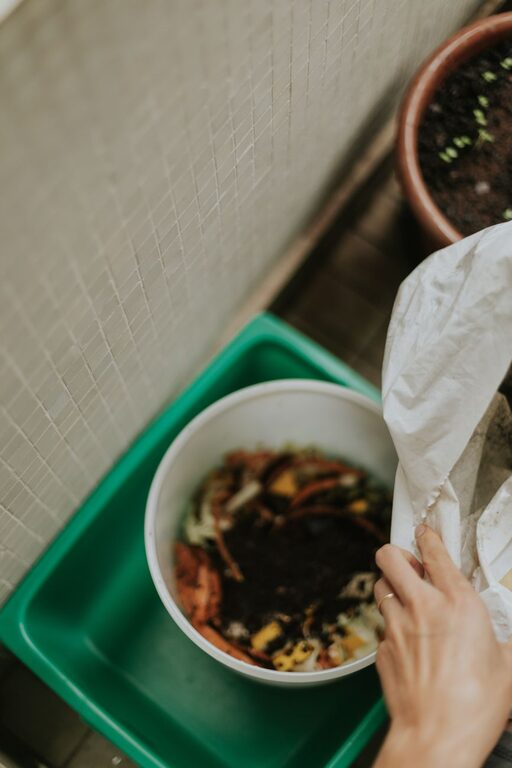
While reducing waste is best, some scraps are inevitable. Composting is a great way to recycle food waste naturally.
– Start a compost bin: Kitchen scraps like fruit peels and coffee grounds can become nutrient-rich compost for plants.
– Use municipal composting if available: Some communities offer compost pickup programs.
– Avoid composting meat and dairy: These items can attract pests.
Composting reduces landfill waste and benefits your garden if you have one.
Share Excess Food
If you have surplus food that you can’t use, consider giving it away:
– Donate to food banks or shelters: Many organizations accept unopened, unexpired items.
– Share with neighbors or friends: Set up a food swap or simply offer extras.
– Organize community fridges: Some neighborhoods maintain shared fridges where people can leave or take food freely.
Sharing excess helps others and reduces waste.
Educate Your Household
Reducing food waste is easier when everyone in your home understands the importance. Talk to family members about meal planning, proper storage, and using leftovers. Encourage mindful eating and cooking habits.
Final Thoughts
Food waste reduction at home doesn’t require drastic lifestyle changes. By planning meals, shopping smartly, storing food correctly, getting creative with leftovers, and understanding expiration labels, anyone can make a difference. These small steps save money and contribute to a healthier planet. Start today and watch your food waste shrink!
—
By adopting these practical tips, you can enjoy delicious meals while minimizing waste and environmental impact. Give it a try and share your own food-saving ideas in the comments!